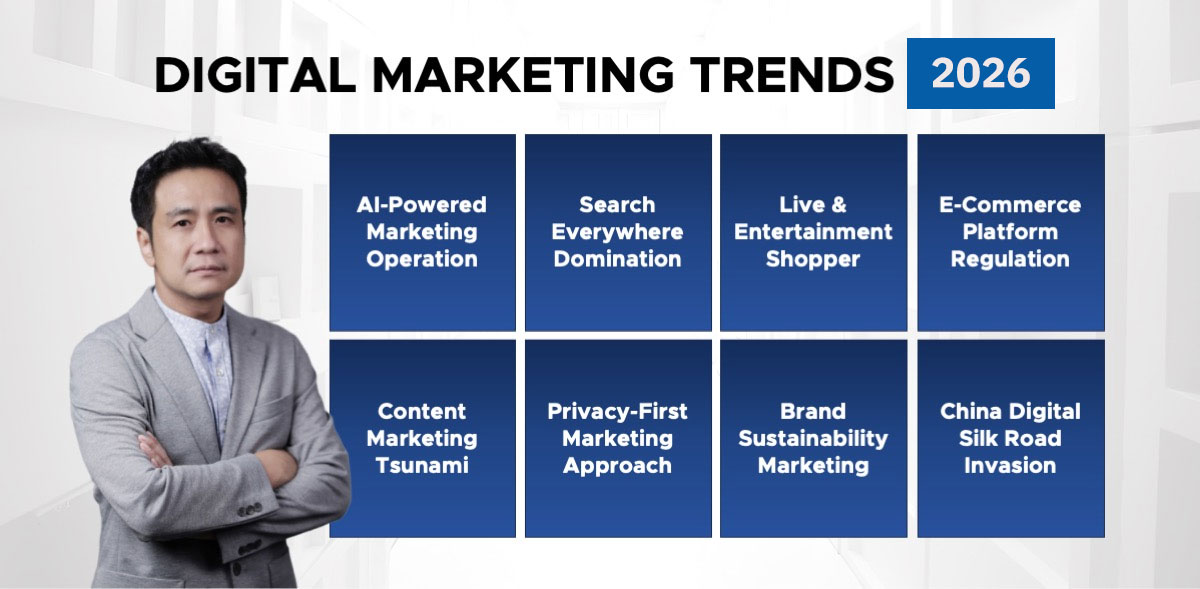
Digital marketing in 2026 is no longer about running ads or ranking keywords in isolation. It has evolved into a data-driven, AI-powered, experience-first ecosystem where SEO, online advertising, social media digital marketing, paid media, and content all work together to drive measurable business growth.
With rapid changes in search behavior, AI-generated results, privacy laws, and platform algorithms, businesses and marketers must adapt quickly to stay relevant. This complete guide breaks down what digital marketing looks like in 2026, which strategies still work, what has changed, and how brands can win in this new landscape.
What Is Digital Marketing in 2026?
Digital marketing in 2026 refers to the strategic use of AI-powered tools, automation, personalization, and omnichannel web marketing to attract, engage, convert, and retain customers across digital platforms.
Unlike earlier years, marketing in 2026 focuses on:
-
User intent, not just keywords
-
First-party data instead of third-party cookies
-
Experience-led funnels over aggressive selling
-
Trust, authority, and brand credibility
From SEO advertising to online video advertising, everything revolves around value-driven communication rather than interruption-based marketing.
SEO Advertising in 2026: Smarter, Deeper & Intent-Focused
Is SEO Still Important in 2026?
Yes, SEO is more important than ever—but it looks very different.
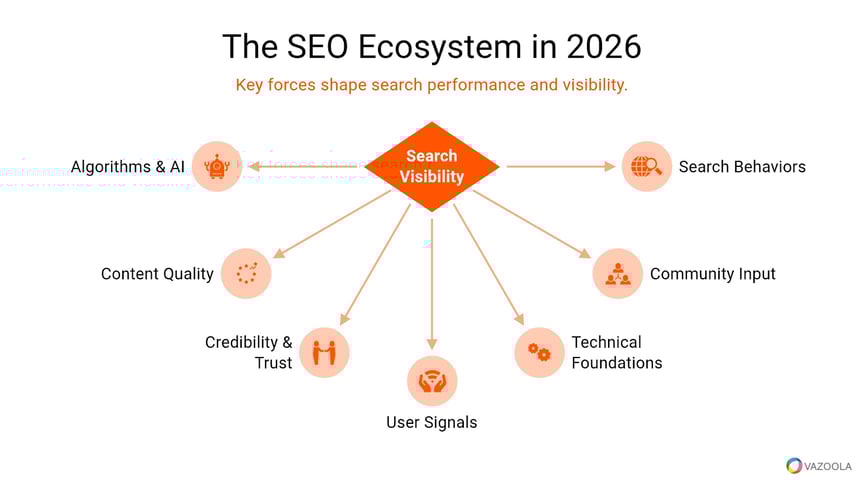
SEO in 2026 is driven by:
-
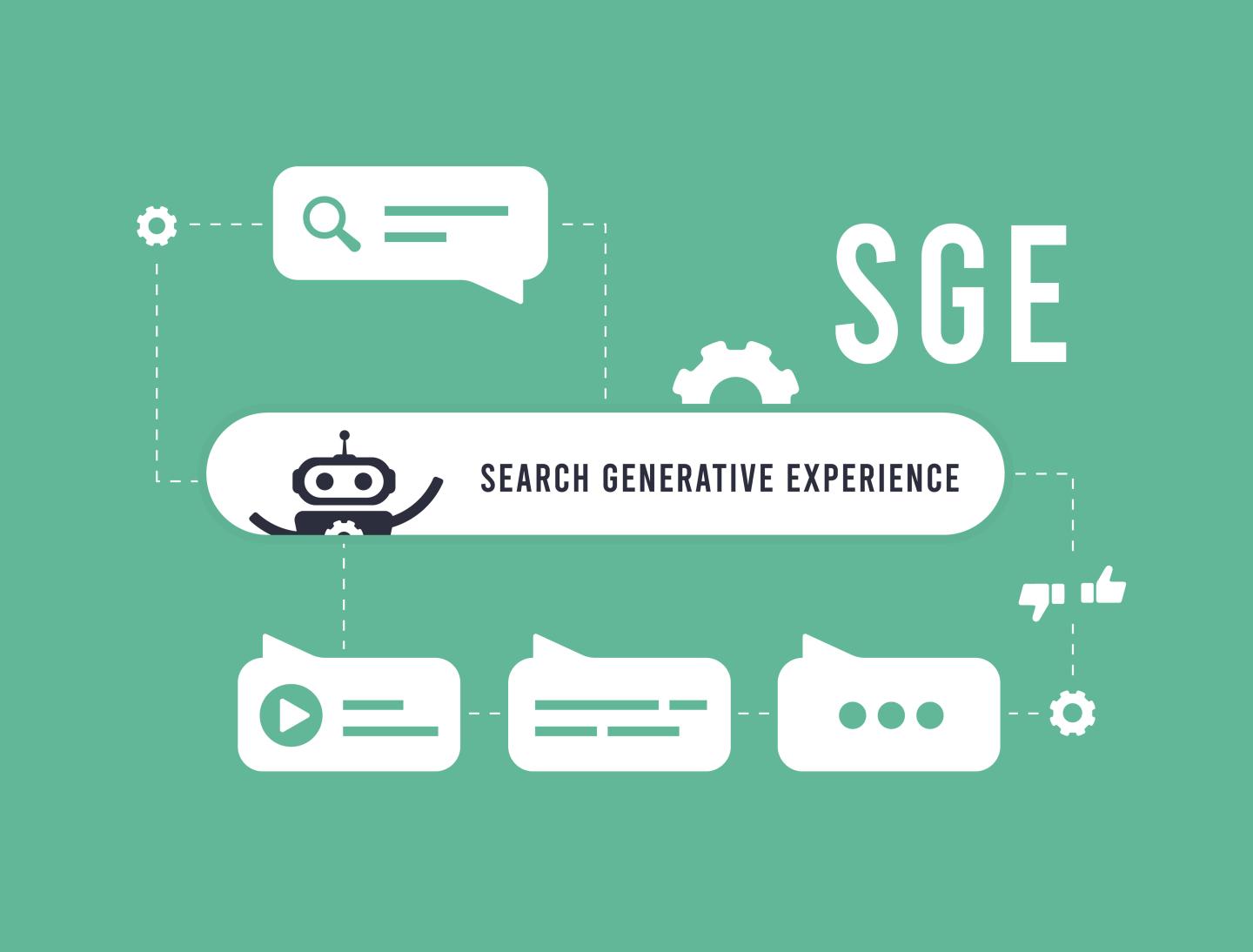
Search Generative Experience (SGE)
-
AI summaries and zero-click searches
-
Voice and conversational search
-
Topical authority over keyword stuffing
Key SEO Advertising Trends
-
Topical clusters outperform single-page SEO
-
EEAT signals (experience, expertise, authority, trust) dominate rankings
-
Human-written, expert content beats mass AI-generated blogs
-
Brand searches & trust signals influence rankings heavily
SEO advertising now blends organic authority with paid visibility, especially for competitive keywords.
Online Advertising & Paid Media in 2026
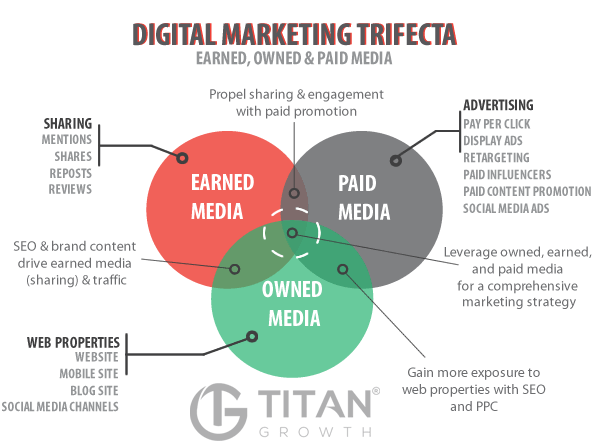

Online advertising in 2026 is powered by automation, smart bidding, predictive analytics, and creative testing at scale.
SEM Google Ads in 2026
Google Ads has become:
-
Heavily AI-driven
-
Intent-based rather than keyword-heavy
-
Conversion-quality focused
Winning strategies include:
-
Performance Max campaigns
-
Audience signals instead of manual targeting
-
High-quality landing pages
-
First-party data integration
Paid Media Best Practices
-
Funnel-based campaigns (TOFU–MOFU–BOFU)
-
Creative testing every 7–14 days
-
CRO-focused landing pages
-
Unified reporting across platforms
Paid media is no longer about traffic—it’s about profitable conversions.
Social Media Digital Marketing in 2026

Is Social Media Still Effective in 2026?
Absolutely—but only if done strategically.
Social media digital marketing now works as:
-
A search engine
-
A trust-building platform
-
A community ecosystem
What’s Working in 2026
-
Short-form video (Reels, Shorts, TikTok)
-
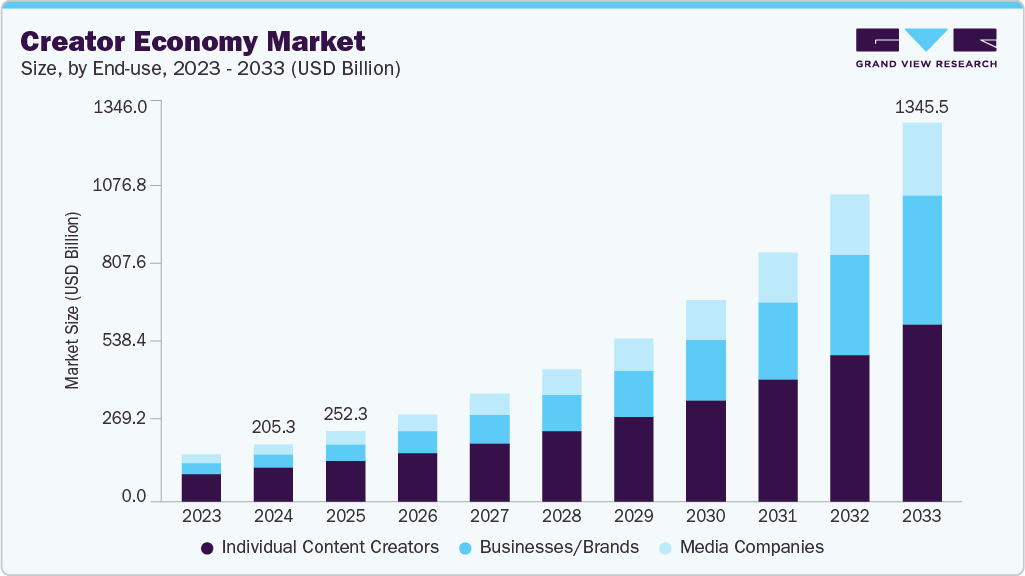
Personal brands outperform company pages
-
Creator collaborations over influencer ads
-
Educational + story-driven content
Brands that teach, entertain, or inspire win attention in crowded feeds.
Online Video Advertising: The Fastest-Growing Channel
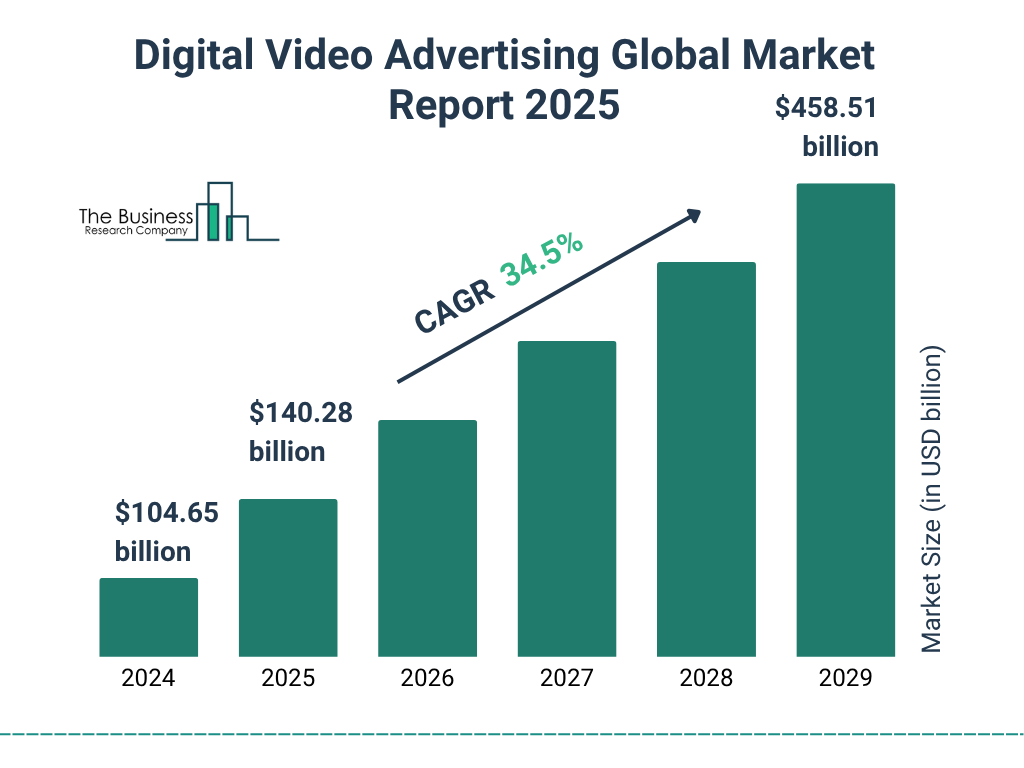


Online video advertising dominates digital marketing in 2026 because:
-
Attention spans are shorter
-
Video builds trust faster
-
Platforms prioritize video reach
Winning Video Ad Formats
-
Problem–solution ads
-
Founder-led videos
-
Testimonial-driven creatives
-
Educational mini-content
Video ads work best when combined with remarketing_toggle and content funnels.
Web Marketing & Website Marketing Companies in 2026
Your website is no longer a brochure—it’s your sales engine.
Modern Web Marketing Essentials
-
Fast-loading, mobile-first UX
-
CRO-optimized pages
-
AI chat & personalization
-
SEO + paid media integration
Top website marketing companies in 2026 focus on conversion psychology, not just design.
Marketing B2B in 2026: Trust Over Traffic
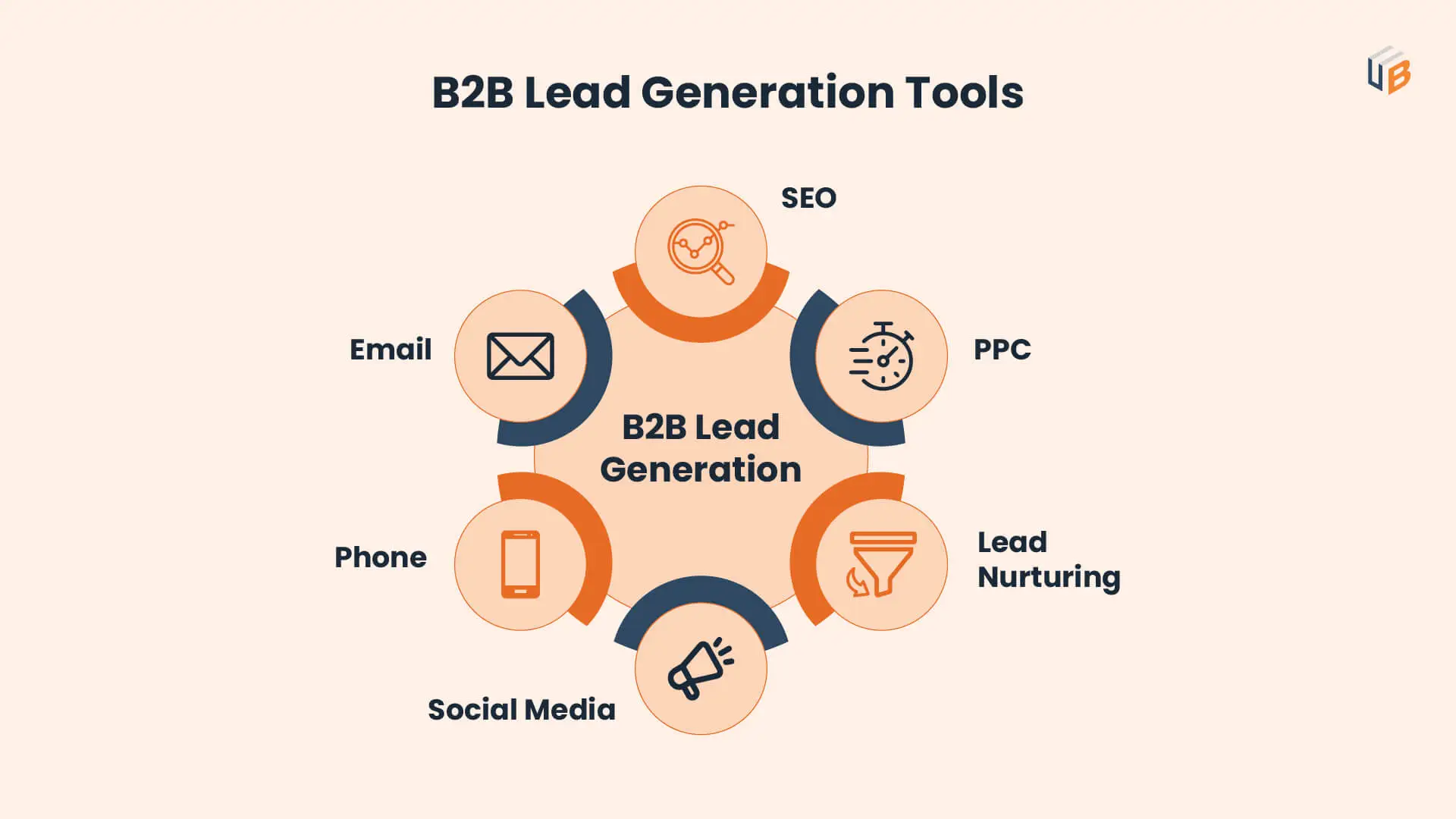

B2B marketing in 2026 emphasizes:
-
Long-term relationships
-
Authority-driven content
-
LinkedIn thought leadership
-
Account-based marketing (ABM)
Cold selling is dead. Value-first marketing wins B2B deals.
What Skills Are Required for Digital Marketers in 2026?
To survive and grow in digital marketing in 2026, professionals must master:
-
AI tools & automation
-
Data analysis & attribution
-
SEO + paid media integration
-
Video content creation
-
Funnel strategy & CRO
-
Brand storytelling
The future belongs to 360-degree digital marketers, not specialists who work in silos.
What Are the 7 Types of Digital Marketing Services?
-
SEO & SEO Advertising
-
Search Engine Marketing (SEM Google Ads)
-
Social Media Digital Marketing
-
Paid Media Advertising
-
Content Marketing
-
Online Video Advertising
-
Email & Marketing Automation
In 2026, success comes from combining all seven, not choosing just one.
What Is the Future of Content Marketing in 2026?
Content marketing in 2026 is:
-
Experience-led
-
Authority-focused
-
Human-written + AI-assisted
-
Multi-format (text, video, audio)
Google and users both reward original insights, real experiences, and expert-backed content.
Thin blogs, copied AI content, and generic posts no longer work.
Final Thoughts: Digital Marketing in 2026
Digital marketing in 2026 is smarter, more human, and deeply connected to trust, technology, and user experience. Whether it’s SEO advertising, online advertising, paid media, or social media digital marketing, the brands that focus on value creation over shortcuts will dominate.
If you adapt early, invest in skills, and follow user-first strategies, 2026 is full of opportunity.